
What If Life Never Slows Down?
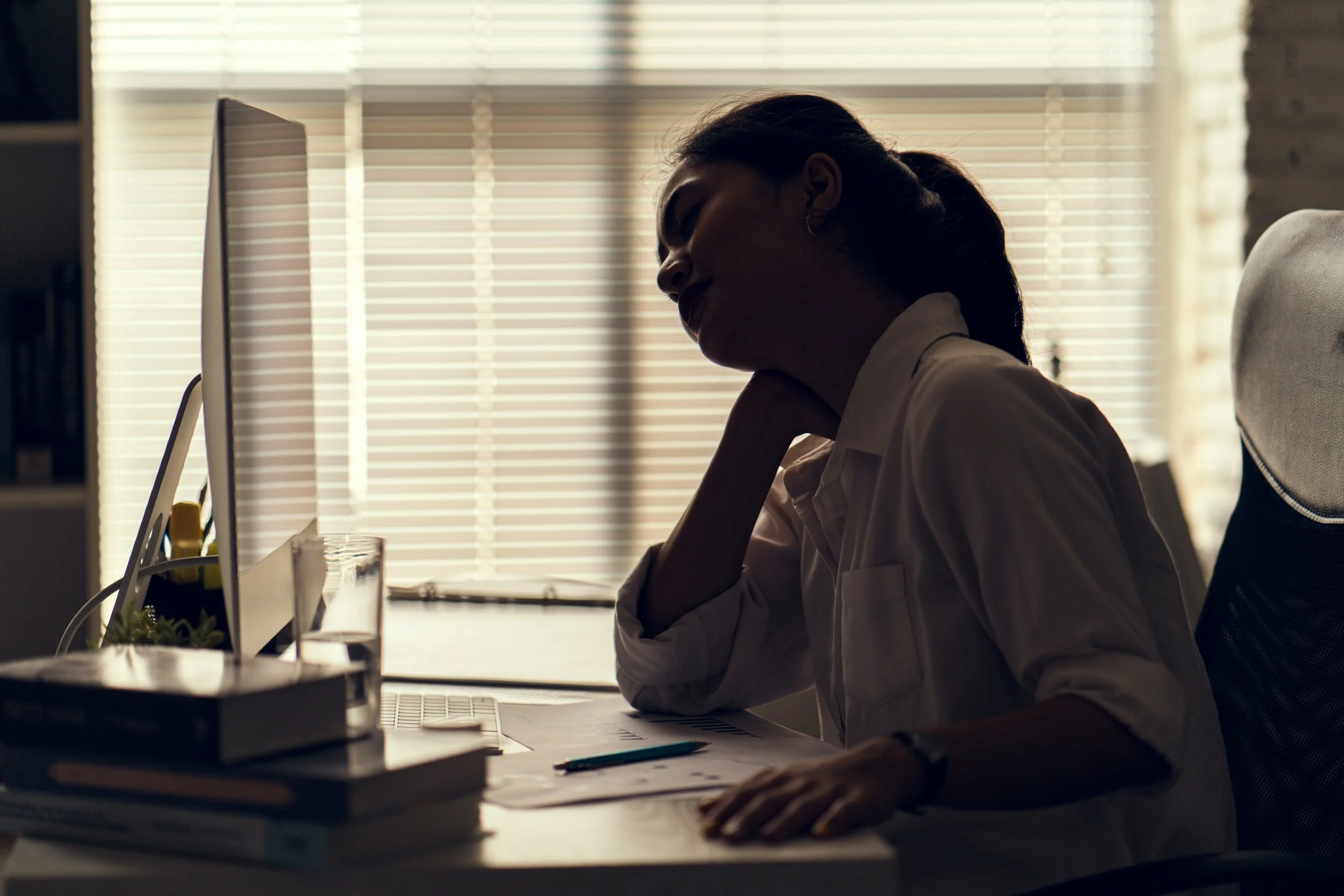
I can't tell you how many conversations I've had that start with some version of the same sentence.
"I really want to focus on my health... I just need things to settle down first."
Sometimes it's because work is busy. Sometimes it's summer vacations, kids' sports schedules, holidays, home renovations, travel, or just feeling mentally exhausted from everything life has thrown at them lately. And honestly, those are all valid reasons. Life can be chaotic, and there are certainly seasons that ask more of us than others.
The problem isn't that those seasons exist, the problem is believing that they're temporary - and that once they pass, life will finally become calm enough to prioritize ourselves.
LMAO - I’m sorry - but we know that things just don’t calm down. We know that at least in part - the busy is just part of our baseline. Because we are adults - and at some point we just need to notice that and call ourselves out that “I just need things to settle down” is not realistic.
And Sure - one season shifts to the next - but the problem comes in when we thing that the one busy season will be replaced by a calm one. When in fact…summer vacation ends then we are right back into the beginning of the school year. Work gets through a busy month and starts to calm down, but then the holidays arrive. The holidays are over, but now the kids have activities every evening. Then someone gets sick. Then there's a birthday (or 3). Then it’s May-cember and end-of-school-year-chaos. Then it's summer again. Before you know it, another year has passed and you're still waiting for the version of life where everything feels manageable enough to finally start.
I don't say that to be discouraging. I actually find it incredibly freeing.
Because if life isn't going to stop being life, maybe we don't need to wait for it to change before we change how we move through it.
One of the things we know from behavioral psychology is that our brains naturally seek certainty. New behaviors require effort, attention, and energy, so it's understandable that we'd want to begin them under the "best" possible circumstances. We imagine that if we just had a quieter week or a little more time, we'd finally be able to do everything the way we pictured it.
But those ideal conditions rarely show up for long - in the best circumstances - we might get a week - maybe two.
In fact, one of the biggest reasons healthy habits don't stick is because we only practice them when circumstances are favorable. We become really good at eating healthy meals when work is slow, getting to the gym when our schedule is wide open, and going for walks when the weather is perfect. Then life inevitably changes, those routines disappear, the weather behaves like weather behaves, and it feels like we've somehow failed.
What if we looked at that differently?
What if the goal wasn't to build habits that only work when life is easy?
What if the goal was to build habits that could survive real life?
That's a very different approach to behavior change.
Instead of asking, "What would my ideal routine look like?" we start asking, "What could I realistically keep doing even during a busy month?"
Those questions often have very different answers.
Maybe your ideal morning includes a 60-minute workout, journaling, meditation, and a homemade breakfast. That's wonderful if you genuinely have the time and enjoy those things. But if that routine completely falls apart every time work gets busy, then it may not be the routine that's going to carry you through most of your life. I mean, I don’t have kids and that morning routine seems unrealistic even for me when I’m not wrangling small humans out the door.
Maybe your "busy season" routine looks more like a 20-minute walk before work, overnight oats that are already waiting in the refrigerator, and strength training three days a week instead of five.
Is it perfect?
What the f**k is “perfect” anyway - doesn’t even matter.
Is it sustainable?
Probably much more so.
One of the biggest shifts I see in clients isn't that they suddenly become more disciplined. It's that they stop expecting themselves to perform at 100% every single week of the year. They begin creating different versions of success depending on what's happening in their lives.
That might mean having a workout plan for weeks when life feels predictable and a fallback plan for weeks when everything feels upside down. It might mean meal prepping lunches instead of trying to prep every meal. It might mean ordering groceries instead of walking through the store because that's what removes one barrier during an especially stressful week.
None of those choices are "less than."
They're adaptations.
And adaptation is one of the most underrated skills in behavior change. Simplifying what health means for you - and simplifying how it fits into your life is how we actually succeed.
I think sometimes we picture healthy people as individuals who have somehow figured out how to avoid busy seasons. As if they've unlocked a secret where work is always manageable, weekends are always relaxing, and unexpected challenges simply don't happen.
But that’s not really what is happening.
What I see are people who have accepted that life will continue to ebb and flow, and instead of starting over every time it changes, they've learned how to adjust their routines without abandoning them altogether. They aren’t fighting against the current anymore - they are learning to swim with it.
There's a huge difference between changing your routine and giving up on it.
One is flexibility, the other is starting from scratch.
The more we practice adjusting instead of abandoning, the more confidence we build in our ability to navigate whatever life throws at us. Psychologists call this self-efficacy. The belief that we can successfully handle challenges as they come up. That belief isn't built by waiting for “perfect” conditions (often…not even waiting for “good” conditions). It's built by experiencing imperfect conditions and realizing, "I can still take care of myself here."
Which is why I encourage clients to stop asking whether this is the right time to focus on their health, but instead - to ask yourself what taking care of yourself could realistically look like in the season you are in right now. Today. And it won’t look like that “ideal” picture you have in your head, or what someone else’s looks like. But if it is something you can keep doing when life is happening - where you move with that busy current instead of fighting it you’ll likely make far more progress than the person who is still waiting for the perfect Monday, for the hour of free time in the morning, for the quieter month, for the less stressful season.
Because WE KNOW THE TRUTH - life probably isn't going to slow down. But the OTHER TRUTH is that you can absolutely learn how to move through it differently. And in my experience, that's where lasting change actually begins.